Growing your own vegetables is very rewarding, but one thing every gardener fears are common garden pests.
And there are many of them that are partial to a variety of vegetable plants. In fact, there isn’t a vegetable plant that isn’t the target of any pest.
So we decided to write this guide about how to deal with the 10 most common pests in vegetable gardens in the UK to help fellow veg growers get the most out of their crop.
Why We Should Tolerate Pests
While pests can be a pain and some can do damage, it’s worth remembering that they are part of your garden’s ecosystem. They are part of the food chain and without them you wouldn’t have many of our favourite animals in your garden.
Because of this, we should tolerate pests as much as possible. Often, they won’t do much harm and are kept under control by their natural predators. The beauty of nature lies in the balance it creates.
That’s why we don’t recommend using pesticides, because by killing the pests you disturb the balance of your garden. But they do more, they also kill non-target species, including bees (Schwarz et al., 2023), which are necessary to pollinate many of our vegetable and fruit crops including tomatoes, courgettes, cucumbers, pumpkins, apple trees, etc.
Using pesticides will also keep away many other animals from your garden, such as butterflies and birds (Tassin de Montaigu and Goulson, 2023).
Pesticides can also degrade your soil, making it less healthy and reducing its fertility (Hussain et al., 2009). And we all know that healthy plants need healthy soil. So the use of pesticide could have an impact on your yield.
Given that most vegetable plants can tolerate pets without any negative effects, using pesticides will do more harm than good. And there are so many other ways to keep pests under control without the use of harmful chemicals.
So let’s look at the 10 most common pests you might find in your veg garden in the UK and how to deal with them.
1. Aphids

| Veggies affected | most plants, including tomatoes, cucumbers, pumpkins, aubergines, peppers, watermelons, runner beans, potatoes, lettuce, spinach, and beetroot |
| When they are active | April to October |
| Appearance | tiny little bugs, mostly green or black, but can also be white, yellow, or pink |
| Plant part affected | suck sap of stems, leaves, and flowers |
| Damage caused | even large numbers won’t do much harm, but an infestation can cause stunted growth and even kill a plant |
| Risk level | low for established plants, medium for young plants |
| Prevention | natural predators, companion planting, physical barriers |
With over 600 species of aphids in the UK, it’s no wonder that this is one of the most common pests in vegetable gardens across the UK.
You’ll find them on pretty much every plant in your garden, ornamental, vegetable, and fruit plants, and even houseplants. Alliums are an exception, aphids don’t seem to like the taste of garlic, onion, leek, and chives.
They suck the sap of their host plants and can be found on stems, leaves, and flowers. Most of them are green or black, but depending on the plant you might see white, yellow, or even pink aphids.
One big giveaway is ants, as they “farm” aphids to get the sweet honeydew they excrete. They are so keen on this sweet treat that they will protect the aphids from predators. You could also see the ants as nature’s mafia running a protection racket.
I have several aphid colonies on my veg plants that are protected by ants in this way every year. It’s fascinating to watch, and the plants themselves aren’t damaged by this either.
The risk level of aphids ruining your vegetable plants is low, especially for mature, established plants. Young plants might be at greater risk. However, an infestation can destroy a plant.
But an infestation is only likely to occur in a garden with low biodiversity, where aphids’ natural predators are found in only low numbers. And this brings us neatly to natural ways of keeping aphids under control:
- Encourage natural predators to your garden – ladybirds, lacewing, earwigs, ground beetle, hoverflies, and predatory wasps all have aphids on their menu
- Use companion planting to keep aphids away from your veggies – growing your veg with alliums, or fragrant herbs such as mint, sage, and parsley can keep aphids away
- Cover your plants with insect mesh – stopping aphids from getting on your plants is a sure way to stop them from causing harm
In our vegetable garden, the first two measures are enough. I never needed to cover any plant, because an army of natural pest control agents are at work. And I use companion plants to make sure aphids won’t ruin my crop.
But using insect mesh can be a good natural way to protect plants from aphids, especially younger plants that aren’t as strong yet.
You can also pick off aphids of your plants or spray them with cold water, which will cause the aphids to fall off.
In case of a heavy infestation, washing your plants with commercial insecticidal soap is an option. However, I would only use this as a last resort, if numbers become out of control.
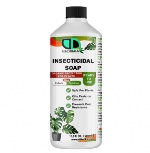
DD Teck 100% Natural Insecticidal Soap
- Natural & Safe Formula – DD Insecticidal Soap made with potassium salts of fatty acids that control insects without harming plants, pets, or the environment.
- Eco-Friendly Solution – DD Insecticidal Soap biodegradable and free from harsh chemicals, making it safe for organic gardening and sustainable plant care.
- Gentle on Plants – DD Insecticidal Soap designed to kill pests on contact while being safe for flowers, fruits, vegetables, and ornamentals.
As you can see, dealing with aphids isn’t difficult and often you don’t have to do anything at all. Especially because most veg plants can tolerate even large numbers of aphids without any harm.
2. Slugs & Snails

| Veggies affected | seedlings, but also some mature plants, such as Jerusalem artichokes, leafy salads, beetroot leaves, and cabbage |
| When they are active | all year round |
| Appearance | invertebrates with or without shells in various colours |
| Plant part affected | eat leaves, especially young ones |
| Damage caused | can decimate a plant, but most of the time just leaves nibbled leaves |
| Risk level | low for established plants, high for seedlings |
| Prevention | natural predators, physical barriers, removal by hand, protect seedlings |
Another common garden pest are slugs and snails. Like aphids, they eat a variety of plants in vegetable gardens. Although there are over 130 species of slugs and snails in the UK, only a few of them actually eat live plants.
Most of them eat dead or decomposing plant matter, according to the Natural History Museum. This means only a few are a threat to your vegetable plants.
Slugs and snails are hugely important for your garden’s ecosystem, so shouldn’t be seen as enemies like many gardeners do. In actual fact, they play an important role in the composting process.
Without them, your compost heap wouldn’t be as productive in turning plant waste into fertile compost. So anything that will kill them will damage your garden’s ecosystem, which is why we don’t recommend things like slug pellets.
In most cases, slugs and snails will nibble at the leaves of some plants, such lettuce, spinach or cabbage, but won’t do much harm. It’s a different matter with seedlings though, to which they are partial.
These they could decimate, so it’s best to protect your seedlings until they are big and strong enough to tolerate these slimy customers.
So the risk to young plants is fairly high, but low for most established plants. Healthy plants will also be a lower risk, while distressed plants are more likely to be eaten.
Here are things you can do to prevent slugs and snail from doing damage:
- Encourage their natural predators into your garden – birds, hedgehogs, toads, and some beetles will eat them
- Water in the morning – evening watering will create the perfect conditions for slugs and snails
- Remove them by hand – check your plants in the evening and remove slugs and snails by hand and move them to a different part of your garden away form your veggies
- Create physical barriers – slugs are said not to like copper, so copper rings can be an option, but evidence is conflicting
- Protect seedlings – either by covering them with cloches during the night or by only planting them out when they are big enough to tolerate them
It can be devastating to lose a plant to slugs and snails, but it worth remembering how important they are to our ecosystem. So put down the slug pellets and use the above methods to keep your veggies safe.
3. Caterpillars

| Veggies affected | brassicas, onions, leeks, potatoes |
| When they are active | May to October |
| Appearance | the young of butterflies and moths, they can have different colours |
| Plant part affected | eat leaves, but some also eat roots and bulbs |
| Damage caused | can cause damage, especially to brassicas |
| Risk level | medium to high |
| Prevention | natural predators, physical barriers, companion planting, sacrificial plants |
There are over 2,000 species of moth and over 50 of butterflies in the UK. Yet only a few of them lay their eggs on our veg plants. And it’s not the moths or butterflies that are the problem, but their offspring, caterpillars.
The small and large cabbage white butterflies, diamond-back moth, and cabbage moth lay their eggs on brassicas such as kale, cabbage or broccoli. The caterpillar of the leek moth likes onions and leeks. And cutworms, the caterpillars of some moth species, adore potatoes.
Because they are from different species, the appearance of the caterpillars vary. A hairy caterpillar with yellow and black is the offspring of the large cabbage white butterfly. Short hair and pale green caterpillars are from the small cabbage white butterfly.
The cabbage moth’s young is hairless and is yellow/green or brown/green. Green and quite big is the caterpillar of the diamond-back moth.
The caterpillar of the leek moth is white with a brown head. But you won’t see it, as it will burrow into the bulls and stems of onions and leaves of leeks. Cutworms are greyish, pale green or cream white and live in the top layer of the soil around potato plants.
Caterpillars can become an issue between May and October.
Brassicas can suffer quite a bit from caterpillar damage, while potatoes can still be eaten even tif they have tunnels in them. So the risk to your veggies is medium to high depending on the species and the number of caterpillars.
The good news is that there are easy and natural ways to protect your vegetables:
- Encourage their natural predators – birds, wasps, and ground beetle all eat these caterpillars
- Cover your plants with insect mesh – this will stop the female butterflies and moths from laying their eggs on them
- Companion planting – grow garlic, onions, chives, sage, or rosemary with your veg plants
- Use sacrificial plants to keep your veggies safe – thinned out brassicas or nasturtium can be planted away from your veggies and caterpillars moved to them by hand
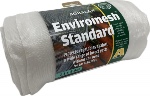
RHS Agralan Enviromesh Fine Garden Insect Netting Mesh For Crop & Vegetable Pest Protection
- Protects vegetables against carrot fly, cabbage root fly, caterpillars, birds, rabbits, wind and hail.
- No support necessary, just place over the crop and secure with pegs or stones.
One thing to remember is that without the caterpillars there aren’t any butterflies and moths, many of which are pollinators, apart from being beautiful and fascinating.
4. Pigeons
| Veggies affected | brassicas, peas, cherries |
| When they are active | all year round |
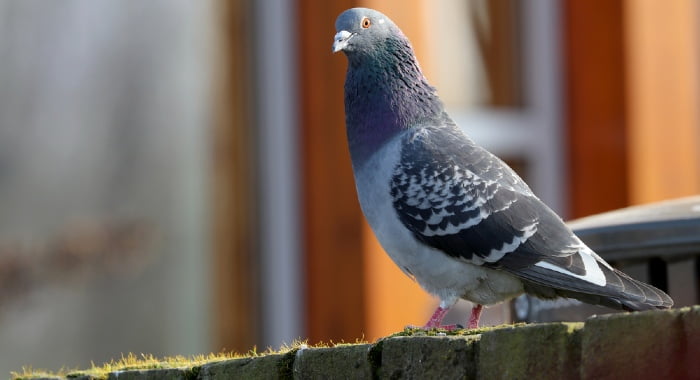
| Appearance | grey birds with patches of green, purple, white |
| Plant part affected | leaves and fruits |
| Damage caused | can cause damage to brassicas |
| Risk level | medium to high |
| Prevention | physical barriers |
Pigeons aren’t the most favourite birds of the British public, with many seeing them as vermin. But they still have their place in our ecosystem, for example as prey species for many raptors (Capoccia et al., 2024).
Besides they are very intelligent birds and there is nothing more soothing, in my humble opinion, than the soft cooing of the wood pigeon. And contrary to popular believe, they don’t transmit diseases.
However, they can cause quite a bit of harm to brassicas, as we have found out ourselves one year. We planted a host of broccoli seedlings, which were eaten within a day by pigeons.
Apart from brassicas they also like peas and cherries. But most other plants in your veg garden or allotment will be save from them.
Because pigeons can eat whole plants the risk they pose to peas and brassicas is medium to high. And there is really only one sure way to keep them away from these veggies: cover them with bird netting.
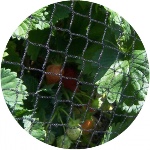
Heavy Duty Soft Bird Netting for Garden Fruit and Vegetables and Cages – Various Sizes
- 20mm diamond mesh
- Keep out birds without harming them whilst allowing bees through to pollinate
- HDPE (High Density Polyethylene) Monofilament netting (37gr/m2)
Even if they have already eaten most of the plants, cover them and you’ll be surprised how quickly they will come back. But ideally you want to cover them as soon as they have come up or you have planted them out.
Make sure there aren’t any holes to prevent birds from getting in. And keep an eye out and check the netting regularly.
5. Vine Weevil

| Veggies affected | strawberries, raspberries and peas and beans grown in pots |
| When they are active | adults: spring to summer; larvae: summer to spring |
| Appearance | adult beetle: black with a yellowish mark on the wing case; larvae: white legless with brown heads |
| Plant part affected | roots |
| Damage caused | can severely damage plants grown in pots |
| Risk level | medium to high |
| Prevention | natural predators, remove by hand, repot plants |
Vine weevils are beetles that often frequent UK gardens. And while they might nibble on the leaves of some of your veg plants, they don’t really do any harm. They are around between spring and summer.
It’s their offspring that can do real damage, especially to potted plants. The larvae are white without legs and a brown head. They dig into the soil and eat the roots of plants and are an issue between summer and spring.
Strawberries and raspberries can be affected, although only a heavy infestation will do real damage. Pot grown vegetables, especially peas and beans are also susceptible and here the weevil grub can do devastating damage.
Because they eat the roots, they reduce the plants ability to support its foliage, which will lead to leaves wilting and potentially kill the plant. It’s a bigger problem in containers because the roots are closer together and more compacted.
So the risk level is medium to high for vegetables and fruits grown in pots. The good news is there are things you can do to reduce the risk of weevils causing an issue:
- Encourage natural predators to your garden – hedgehogs, birds, frogs & toads, rove & ground beetle all will eat these pests
- Remove adult beetles by hand – during spring to early summer check susceptible plants and under their pots and remove the adult beetles by hand
- Repot plants – get rid of as many of the grub as possible in the process
If you have a problem with vine weevil in your garden and have the space, growing in the ground rather than pots can help to keep the damage small.
6. Red Spider Mites

| Veggies affected | greenhouse plants, including tomatoes, cucumber, aubergine, peppers, peaches, nectarines, strawberries |
| When they are active | March to October |
| Appearance | tiny mites that are yellow-greenish; turn red in late summer |
| Plant part affected | leaves |
| Damage caused | causes top of leaves to turn pale |
| Risk level | low to medium |
| Prevention | keep greenhouse/polytunnel cool, clean greenhouse/polytunnel in autumn/winter, water plants regularly |
The red spider might is isn’t a spider, although part of the same family, and most of the time it’s not red either. Before it turns red in late summer this tiny insect is yellowish-green.
It thrives in hot, dry conditions, so is one of the common pests in vegetable gardens in the UK where plants are grown in greenhouses or polytunnels. However, during hot and dry summers, they will also affect plants grown outdoors.
With summers getting hotter and drier, they’re likely to become a more common issue for gardeners. They are mostly an issue between March and October.
Like aphids, red spider mites suck the sap from leaves, which can cause them to wilt. Most plants will be able to tolerate mild attacks, but heavy attacks can weaken a plant severely and even kill it.
A heavy attack can be identified by fine silk webbing on the plant, which indicates that a very large numbers of these pets are present.
Plants most affected are tomatoes, cucumbers, aubergines, and peppers, all of which are most often grown in a greenhouse or polytunnel. However, nectarines, peaches and even strawberries are also on their menu.
The best way to keep these away from your veggies is to created unfavourable conditions:
- Keep your greenhouse/polytunnel cool during hot spells – open doors, windows, vents; spray paths and plants regularly with water to increase humidity
- Water your plants regularly during hot spells – red spider mights will mainly go for stressed and weakend plants, so keep them well hydrated
- Clean out our greenhouse/ploytunnel in winter – this will stop them from overwintering there and coming back next year
- Give outdoor plants a spray – in prolonged hot, dry conditions, it’s worth spraying susceptible outdoor plants to reduce the risk of these mites affecting them
It’s also a good idea to remove affected parts of a plant and destroy them, but don’t compost them. Heavily infested plants need to be removed as soon as possible to protect the other plants.
With these measures you should be able to keep any damage these tiny little mites can cause to a minimum.
7. Whitefly

| Veggies affected | greenhouse plants, including tomatoes, cucumber, aubergine, melon, chillies, brassicas |
| When they are active | all year round |
| Appearance | tiny white bugs with wings |
| Plant part affected | leaves |
| Damage caused | leaf damage and stunted growth, can make kale unusable |
| Risk level | low to medium |
| Prevention | natural predators, companion planting, physical barriers, cleaning greenhouse/polytunnel, improve ventilation in greenhouse/polytunnel |
Like aphids, these bugs suck the sap of plants, but as the name suggests, they have wings. There are only 11 species found in the UK and only two are of interest to vegetable gardeners.
The greenhouse whitefly affects typical greenhouse plants, such as tomatoes, cucumbers, aubergines, melons, and chillies. In hot and dry conditions, they can also affect outdoor plants.
The cabbage whitefly is found on brassicas outdoors, such as kale, broccoli, cauliflower, and cabbage. Both species can be an issue all year round.
Although true bugs, they look like tiny white flies and often the first sign is a cloud of white insects when you brush against the plant. You tend to find the adult whiteflies on the underside of leaves.
The larvae of the greenhouse whitefly, pale whitish nymphs will be found on the underside of the leaves too. The nymphs of the cabbage whitefly can be found on both sides towards the lower end of the leaves.
In terms of damage, most plants can tolerate large numbers of these pests. As they don’t tend to be on the parts we eat. Even with cabbage they only usually found on the outer leaves which can be removed.
However, kale can become unusable, as the nymphs will develop on the leaves you’re meant to eat.
One other potential issue is that both the adults and nymphs excrete a sticky substance called honeydew. This can lead to the growth of black sooty mould, which can cause damage.
As such the risk level of whitefly ruining your crop is low to medium.
But the good news is, there are things you can do to prevent them from causing issues:
- Physical barriers – growing affected veg plants under insect mesh can prevent whiteflies from getting to them – especially for kale this could be a great option
- Encourage natural predators into your garden – ladybirds, parasitic wasps, hoverflies, ground beetles will predate whitefly and their nymphs
- Companion planting can help repel the pests – French marigolds and basil are said to repel whitefly, nasturtiums can be used as trap crop
- Clean greenhouse/polytunnel thoroughly in winter – this will remove any populations of overwintering greenhouse whiteflies
- Keep greenhouse/polytunnel well ventilated – this can reduce the growth of black sooty mould
As you can see it’s not difficult to keep these pests from ruining your crops without using harmful pesticides.
8. Carrot Root Fly

| Veggies affected | carrots, celeriac, celery, parsnip, parsley |
| When they are active | May to October |
| Appearance | adults: small flies with black bodies; young: whitish maggots |
| Plant part affected | roots |
| Damage caused | tunnel into tap roots making them inedible |
| Risk level | medium to high |
| Prevention | companion planting, physical barriers, avoid thinning out, crop rotation, sow after mid-May and before late August |
This small black fly specialises on plants of the carrot family, including carrots, parsnips, celery, parsley, and celeriac.
While the adult fly doesn’t do any harm, their offspring can render the affected vegetables inedible. The whitish/yellowish maggots feed on the roots and tunnel into the tap roots, i.e. carrots, parsnips, etc.
Affected carrots, parsnips, and celeriac will have brown scars on the outside and tunnels inside with maggots in them, rendering them inedible. From May to October these little maggots can be an issue.
The risk level is medium to high, because they make the vegetable they tunnel into inedible. This also means that you have to act before the female carrot flies lay their eggs, and here is what you can do:
- Sow outdoors after mid-May and harvest before late August – this will avoid the periods when the females are active (before mid-May and after late August)
- Avoid thinning out your seedlings – the tinning out releases a scent that will attract female carrot flies
- Practice crop rotation – carrot fly maggots can overwinter in the soil, so it’s vital that you don’t grow plants of the parsley family in the same spot each year
- Companion planting – planting “smelly” plants with carrots can hide them from the carrot flies – these include leeks, chives, garlic, and onions
- Physical barriers – cover you carrots with insect mesh to prevent the female carrot flies from laying their eggs on them
RHS Agralan Enviromesh Fine Garden Insect Netting Mesh For Crop & Vegetable Pest Protection
- Protects vegetables against carrot fly, cabbage root fly, caterpillars, birds, rabbits, wind and hail.
- No support necessary, just place over the crop and secure with pegs or stones.
Personally, my go to prevention method is companion planting. My favourite combination is carrots and leeks as they deter each others’ pests. But garlic and chives also work well.
9. Cabbage Root Fly

| Veggies affected | brassicas |
| When they are active | April to September |
| Appearance | adult: looks like a housefly; young: white maggots without legs or head |
| Plant part affected | roots |
| Damage caused | weaken growth, tunnel in to tap roots making them inedible |
| Risk level | medium to high |
| Prevention | natural predators, companion planting, physical barriers, plant collars, crop rotation |
Another fly whose offspring can cause havoc is the cabbage root fly, which looks like a common housefly. As you might have guessed from its name, it affects brassicas, such as cabbages, broccoli, Brussels sprouts, radishes, turnips, and swedes.
The female cabbage flies lay their eggs in the soil at the base of the stem. The white headless and legless maggots that follow will burrow into the soil and eat the roots of the plant.
While mature brassicas might not experience great damage, although growth might be weaker, young plants and seedlings can wilt and die as a result of the maggots presence.
They can also tunnel into radishes, turnips, and swedes, rendering them inedible.
Because of this, the risk level is medium to high, and preventing the females from laying eggs is the best way to keep your brassicas safe. Here are things you can do:
- Encourage natural predators to your garden – birds, hedgehogs and ground and rove beetles predate these pests
- Companion planting – covering the soil around your brassicas with low growing clover or growing cabbages with French beans is said to confuse the cabbage root flies
- Physical barriers – growing your brassicas under insect mesh will keep them save from this pest
- Use plant collars for seedlings and young plants – these are put around the plants to prevent the eggs from hatching or the maggots getting into the soil
- Crop rotation is essential – as the offspring can overwinter in the soil it’s vital that you don’t grow brassicas in the same spot every year
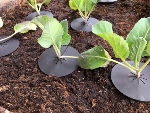
Linic Products UK Made, Reusable Cabbage Plant Protector Barrier Guard
- Here we have another fantastic product from Proops Brothers Ltd. (Please choose the quantity you require)
- Made here in Fleckney, Leicestershire by our parent company Linic Products Ltd.
- These plant mats are flexible and easy to use and are made from a recycled UV resistant rubber material. These are reusable and easily cleaned so can be used time and time again.
Following these measures will ensure that your brassicas are save from this fly’s offspring.
10. Allium Leaf Miner

| Veggies affected | onions/shallots, leeks, chives, garlic |
| When they are active | March/April; September to November |
| Appearance | adult: brownish/greyish fly; young: white maggots without legs or head |
| Plant part affected | leaves, stems and bulbs |
| Damage caused | tunnel into leaves, stems und bulbs and cause rot |
| Risk level | high |
| Prevention | physical barriers, start indoors, crop rotation |
This greyish/brown fly lies its eggs on allium such as leeks, onions, garlic, or chives. The adults feed on the plants themselves, but it’s their offspring that causes the real harm.
The white legless and headless maggots, which are leaf miners, tunnel into leaves and bulbs where they feed and then pupate. This causes rot and can destroy the whole crop.
You can spot that your alliums are affected by white spots and lines on the foliage. And once you check inside the stems and bulbs you might find the maggots too.
The risk level is high, because once infected, there isn’t anything you can do and you lose your crop. So prevention is the only thing to do.
There is really only one effective method and this is covering your alliums with insect mesh when the adult flies are active, which is March/April and agin from September to November.
And like with many other pests, it’s vital that you practice crop rotation, to prevent a build-up of the pest which can overwinter in the soil.
Common Pests In Vegetable Gardens In The UK Dealt With
As you have seen, it’s absolutely possible to deal with these common pests without the use of harmful chemicals. And for many pests the same measures will help.
Among the most effective is creating physical barriers, which means covering your crops with insect mesh or bird netting. This will keep many pests off your vegetable plants.
But don’t underestimate the power of encouraging natural predators and companion planting. I use both these methods and don’t have to worry about pests such as aphids.
This means I have more time to keep other pests in check such as removing slugs and snails by hand.
And while it can be devastating if a pest ruins your harvest, it’s worth remembering that they are part of the wider ecosystem and are needed. Without these pests other animals wouldn’t be able to survive.
So, as much as possible tolerate pests. Most won’t do much harm, especially on healthy, established plants. Happy Growing!