Homegrown peas taste much better than shop bought ones, as they are sweeter. This alone is a good reason to grow them in your vegetable garden.
But did you know that peas are also packed full of vital nutrients? They are a great source of fibre, contain vitamins A, C, and K, and important minerals such as Magnesium, Potassium, and Phosphorous, according to healthline.com.
However, the peas you buy from the supermarket might not be as nutritious as you think. Studies have shown that the fruit and vegetables we buy today contain fewer nutrients than sixty years ago. (Bhardwaj et al., 2024)
This is largely down to intensive farming practices degrading the soil and decreasing its biodiversity and thus reducing fertility. The cultivars chosen are those that bring the biggest yield rather than being nutrient-rich.
By growing your own peas and other vegetables you can make sure that you get the highest quality crop that contains a good amount of vital nutrients.
So here’s how to grow sugar snap peas in the UK successfully. But first…
Let’s Talk Sugar Snap Pea Varieties

Sugar snap peas are a cross between snow peas and garden peas. Like snow peas they have edible pods, so no shelling necessary. But they have the sweetness of garden peas, making them a great crop to grow for your kitchen table.
There are different varieties that are worth trying, depending on the space you have.
Snak Hero
This compact variety is ideal for growing in pots or small gardens where space is scarce. Being compact, the Snak Hero doesn’t need support, like other varieties, only growing to 60cm (24in) height with a 25cm (10in) spread.
So a 30cm (12in) container is enough to grow this sugar snap pea variety. What I love is that you can eat them raw straight from the plant. Making them an ideal addition for salads or as a side dish lightly steamed.
Purple Magnolia
If you’re after a more colourful addition to your plate and garden, this new variety with purple pods is the one for you. The delicious sweet flavour can be enjoyed raw or cooked, making it a great addition to your kitchen garden.
However, as Purple Magnolia grows up to 1.8m (70in), you’ll need to make sure that you provide appropriate support for this fast climbing variety.
Opal Creek
Another colourful variety that produces pale yellow pods with a fresh, sweet flavour. Eat them raw or cooked, either way they make a nutritious addition to any meal.
This is also a tall variety, growing to 1.8m (70in), so a strong support frame is a must. But what makes the Opal Creek so appealing to me is that you can also eat the leaves and pea shoots.
Whichever variety you choose, to get a good yield, you have to take good care of them, from seed to pod. Ready? Let’s go…
Step-By-Step Guide On How To Grow Sugar Snap Peas In The UK
Growing peas isn’t difficult at all and well within the capabilities for newbie vegetable gardeners. Just follow these steps and you soon will be harvesting delicious homegrown sugar snap peas.
1. Sowing Your Sugar Snap Pea Seeds
Like other peas and beans, sugar snaps are hardy plants that can be sown outside from March onwards in weed-free, raked beds. Sow them in a flat trench around 3cm to 4cm (1in to 1 1/2in) deep and 5cm (2in) apart from each other.
However, once they have germinated, it’s a good idea to cover them with netting to prevent pigeons from feeding on them, as they love young pea seedlings. I learned this the hard way.
To prevent this issue, you can start off you sugar snaps under cover, like an unheated greenhouse, polytunnel, or coldframe, also from March. This will protect the young plants and allow them to grow strong.
Start them in small pots and grow them on until they have reached a hight of around 15cm (6in). Then you can plant them out in well-drained soil. At this size pigeons won’t be an issue anymore.
If you want to harvest sweet sugar snaps all summer, keep sowing them until June every 10 to 14 days. The cropping season is relatively short, so this will ensure you can have a continuous harvest.
The best spot for these pea plants is a sheltered spot, either in full sun or partial shade, if that’s all you have available. The more sun they get the better they will grow.
2. Support Structures For Sugar Snap Pea Plants
Once seeds have germinated or you have planted out the seedlings grown under cover, you need to provide them with support. For climbing varieties, like Purple Magnolia, this is vital, while compact, bushy varieties, like Snak Hero, won’t need support.
There are different ways of supporting climbing pea plants. But it’s important to provide them with a rough texture their tendrils can cling on to.
- Pea or bean trellis – you can buy these in garden centres or online
- Bamboo canes and chickenwire – put the bamboo canes on either end and attached the chickenwire between them – then stick this support behind the sugar snap pea plants
- Sticks and netting – wrap the netting around two sticks that are about 20cm (8in) apart and attach the netting to the sticks – place behind the pea plant so it can hang on to it
If you’re short on space, you can use three long bamboo canes and stick them in the middle of the bed in the wigwam fashion. Secure the ends with some sisal string, then wrap chickenwire or netting tightly around it to the top.
Plant the sugar snap pea plants around with about 5cm (2in) space between the plants. They can then climb up towards the top of the wigwam.
3. Caring For Your Sugar Snaps

Peas like beans don’t need too much maintenance. As long as they are well supported all that is needed is that you water them regularly.
They need constantly moist soil, but not wet, that’s why well-draining soil is so important. I would recommend to water them every day, twice a day (morning and evening) during prolonged periods of very hot weather.
To help keep the soil moist, apply mulch in early summer to improve water retention.
Feeding shouldn’t be necessary if you have prepared your soil well, by either digging in well-rotten manure or organic matter in spring or adding a layer of organic matter if you have a no-dig garden.
If you’re growing your sugar snap peas in a containers, feeding will be required once they start flowering. Like with tomatoes use a high-potash liquid fertiliser and feed every two weeks. This one is a firm favourite with vegetable gardeners.

- The country’s favourite liquid concentrate plant food
- Produces 50 percent more yield
- For delicious tasting tomatoes and other vegetables

If you have a wormery, use the liquid fertiliser you get from it. That’s what I do, as it’s the best plant food you can get. Apart from the vital nutrients, you also get beneficial bacteria (Yatoo et al., 2021), as well as a substance that keeps harmful microorganisms down (Alkobaisy et al., 2021).
Alternatively, you can make your own liquid fertiliser, using a variety of materials, including weeds, kitchen scraps and more. You can find a list of different recipes in my guide about the 10 best homemade liquid feeds.
4. Harvesting
If you have started sowing your sugar snap pea seeds in March, you should be able to start harvesting in June. Pea pods are ready when they are about 7cm (3in) and the peas in the pods have started to form. Don’t leave them until the peas have swollen up fully though, as his will stop the plant from producing more.
It’s important to harvest regular to encourage the plant to continue cropping. If you have too many sugar snap peas you can freeze them to enjoy later in the year.
Each plant will only crop for a few weeks, which is why it’s important to keep sowing throughout the season if you want to harvest them over the full growing season.
Sugar snap pea plants will produce pea pods until the first frost. At this point harvest the ones that are ready. Then cut the stem at soil level, don’t pull out the plant.
Like all legumes, sugar snap plants fix nitrogen in their root system, so you want to keep them in the soil to release this vital nutrient back into it for next year’s veggies.
So every time one of your pea plants has finished cropping, just cut off the stems at the base rather than pulling them out.
If you’re also harvesting the pea shoots to eat, don’t take too much from one plant, as this will reduce the amount of pods the plant will produce. You can grow some extra plants to harvest pea shoots, which you don’t use for pods, if you have the space.
Pests And Diseases That Can Affect Sugar Snap Peas
Now that you know how to grow sugar snap peas in the UK, let’s talk pests and diseases. Keeping your plants healthy and save from predators might sound difficult, but if you know what to look for and how to mitigate risks, it’s actually quite simple.
Pests
While there are quite a few pests that might affect your sugar snap pea plants, not many will cause real harm, so whenever possible tolerate any pests. They are part of the ecosystem of your garden and have an important role to play.
So here’s a list of potential suspects:
- Mice and voles – might eat freshly sown seeds
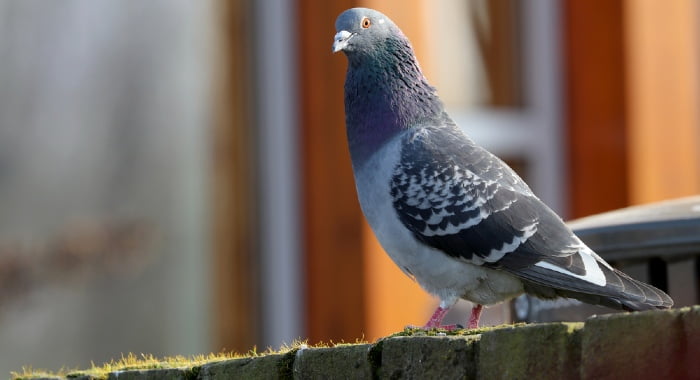
- Pigeons – will pick at young plants and can finish seedlings off if left to it
- Slugs and snails – will nibble at leaves and can diminish seedlings
- Pea and bean weevils – adult beetles nibble the edges of leaves, while larvae feeds on roots – generally don’t cause any harm though
- Leaf miner – tunnel into leaves to feed – heavy infestation can cause stunted growth
- Aphids – suck the sap of stems and leaves – don’t do much harm but can transmit viruses
We don’t recommend using pesticides, as they will harm other species and will reduce your garden’s biodiversity, which is vital if you want a thriving ecosystem that supports healthy veg plants.
The best way of dealing with these pests is to prevent them from becoming a problem in the first place. The good news is that’s easier than you might think.
- Start off your sugar snap peas under cover and only plant out when they are 15cm (6in) or so tall – this will keep mice, voles, pigeons and slugs and snails from causing harm
- Cover your sugar snaps with insect mesh – this will stop weevils and leaf miners from getting to your plants
- Encourage natural predators – insect pests, as well as slugs and snails have natural predators that will keep their numbers down
With these simple steps you can protect your pea plants from becoming affected by these pests. And don’t worry about covering up these legumes and keeping the bees out, because sugar snap peas are self-pollinating, so don’t need the help of pollinators.
Diseases

Like other legumes, sugar snap peas are quite robust and healthy plants, and aren’t affected by many diseases. There are only two to be aware of: powdery mildew and viruses, such as the pea mosaic virus.
Powdery mildew is a fungal disease that can affect many vegetable and ornamental plants. It’s most likely to strike in hot and dry conditions.
If a plant is infected, you’ll see white powdery mould on the leaves and stems. It’s more likely to affect plants that are already stressed.
So it’s vital to keep your sugar snap pea plants well-watered, especially during prolonged hot and dry weather.
If you spot any signs of an infection, remove the infected leaf to prevent it from spreading.
Mulching can help to improve moisture retention in the soil, reducing the risk of your pea plants getting infected.
Ensuring good air circulation around your plants is also vital to keep this fungal disease at bay. These measures help to achieve this:
- Choose a sunny spot that isn’t windstill – a breeze is good for your plants
- Leave adequate space between plants – this will enable air to circulate
- Weed your beds regularly to stop weeds from overcrowding them
And remember, healthy strong plants are less likely to be affected, so take good care of your sugar snaps.
There are also some viruses that might infect sugar snap pea plants. Some are transmitted via aphids, pollen, mechanically and through propagated material.
A viral infection can look similar to nutrient deficiency, with yellow/whitish patches, dead areas on the leaves, sometimes the veins are without colour and there are transparent patches. Overall, you might observe stunted and less vigorous growth.
The best ways to minimise the risk of a viral infection include:
- Growing your sugar snaps from seed – plants you buy might be infected
- Keep your beds weed-free – especially from clover which is in the same family and could transmit a virus
- Keeping aphids number in check – see above for how to do that
- Clean tools and your hands after pruning a plant – as viruses can be transmitted on them
So here you go, this is how to grow sugar snap peas in the UK. Not difficult, is it? Give it a go next growing season. Happy Growing!