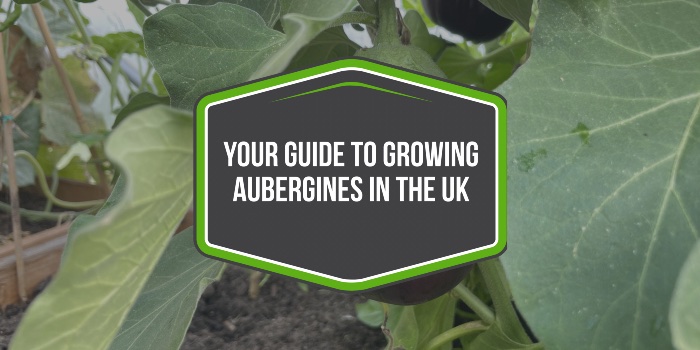
Pumpkins are often only seen as a Halloween decoration, but it’s a delicious vegetable that can add colour, flavour and vital nutrients to your plate.
If you only ever bought a pumpkin to carve for Halloween, you should know that this member of the squash family is full of healthy and important nutrients.
The pumpkin pulp is packed with proteins, minerals, vitamins, healthy carbohydrates, fibre and many other healthy compounds. The seeds are a great source of protein and also contain a whole host of vitamins, minerals, and other nutrients. (Batool et al., 2022)
So growing pumpkins in your garden can provide you with another healthy addition to your meals. And it’s also a very versatile veg, as you can roast them, add them to sauces and curries, make mash, and much more. Pumpkin chips anyone?
Because of all this, we decided to write a step-by-step guide about how to grow pumpkins in the UK, so you can benefit from all this type of squash has to offer.
Pumpkin Varieties To Try

Before we get stuck in, let’s talk about varieties. The orange pumpkin you buy in the supermarket for Halloween is only one type. I would recommend choosing your variety according to taste and garden space.
With this in mind, here are the varieties you need to try.
For Small Spaces
If you don’t have the space for a big pumpkin patch in your garden, these varieties area ideal. They either produce small pumpkins or grow compact plants, ideal for limited space
Amazonka
We have been growing Amazonka pumpkins for several years now. This variety is ideal if you only have limited space as it’s quite a compact plant. The taste of the flesh is superb and works well for a range of meals, including in curries, roasted or as chips.
The bright orange fruits, which are slightly flat at one end look great in our garden too. And they are a quite a good size without being too large for a small space. So this is an all-round great variety to try.
Sweet Lightening
The Sweet Lightening variety is another compact plant which makes it ideal for small spaces. But it produces mini pumpkins with a white, orange-speckled skin. They look so cute in a bed.
The flesh tastes sweet and is ideal for roasting or added to curries or stews.
Lil’ Pump-ke-mon
Another compact plant, the Lil’ Pump-ke-mon also grows mini pumpkins but with white skin and green or orange stripes. A very attractive and eye-catching addition to any veg garden.
The taste is great too, so definitely one to try.
Baby Bear F1
If you’re after the typical pumpkin shape and colour, the Baby Bear F1 is the one for you. Despite this being a small vine plant, it’s high yielding, giving between 5 and 8 pumpkins.
The flesh taste sweet and even the seeds make a great snack when toasted.
For Taste
While all of the above mentioned small varieties taste great, if you can give a bit more space to growing pumpkins, these varieties are worth a try.
Grey Ghost F1

Apart from looking stunning in your garden, these blue-greyish pumpkins, hence the name Grey Ghost F1, have a vibrant orange flesh that is smooth and sweet, ideal for cooking with. They also store really well, so you can enjoy your homegrown pumpkins into winter.
You can train the vines to form a circle around the stem if you want to keep their spread under control, but with fruits weighing 6-7kg each, this variety needs a big pumpkin patch.
Crown Prince
The sweet and nutty flavour of the flesh of the Crown Prince makes this pumpkin variety the best tasting pumpkin I’ve ever tried. And the best way to eat it is by roasting it.
The bright orange flesh is also a beautiful contrast to the blue skin, making this pumpkin also an attractive plant to have in your garden. With each fruit growing to 2-4kg, you can make several meals from one pumpkin.
And the bigger ones also store very well, so you could have roasted pumpkin for Christmas this year.
Beginners Guide To Growing Pumpkins In The UK
Once you have chosen which variety suits your space best, you’re ready to go. While you can buy plug plants, I prefer growing from seed.
That’s because you have much more choice, but also because you can ensure your pumpkin plants have the best start in life, even if it’s a bit more work.
Step 1 – Sow Seeds Indoors

Start sowing pumpkin seeds mid-April in small pots, filled with good quality, peat-free seed compost.
The seeds are quite big, like those of courgettes which are in the same family. So it’s best to only sow one seed per pot. Importantly, sow it on the side to ensure water runs down it, which will prevent it from rotting.
You want to sow it about 1cm (1/2in) deep, but check the packet instructions of your chosen variety to make sure you get it right, as it can vary.
Leave the pot in a heated propagator if you have one, or use an unheated one on a sunny windowsill. Pumpkin seeds need around 20°C (68°F) to germinated, which can take about a week.
Keep the soil moist, but not wet, as this could make the seed rot. Once germinated, keep the seedling watered and in a bright spot.
Step 2 – Transplant On
When the pumpkin seedling has grown its first true leave – this is the third leave they grow – plant on to a slightly bigger pot.
The best way to do this is by putting good-quality, peat-free compost in the bottom of the larger pot first, enough so that the small pot reaches the top of the new pot when put in.
Then take the seedling together with the soil out of its pot and put it in the new pot. Fill the gaps with compost.
Give the transplanted pumpkin seedling a good soak. Continue to transplant on until the time is right to plant them out. Water the seedlings regularly.
I keep my young plants in our polytunnel, where they are protected from frosts, but any frost free place will do, such as a conservatory or a cold frame. Windowsills work too, if you have the space.
Step 3 – Plant Pumpkin Plant Out
Once the risk of frost has passed, which is in late May or early June depending where in the UK you are, the pumpkin plant is ready to be planted out. But first you have to harden it off.
This basically means you get the young plants used to the outside conditions. Put the young plants outside during the day. Start with an hour or two a day and gradually increase the amount they spend outside.
After a week or so, they should be ready to be planted out.
You want a sunny, sheltered spot with well-prepared soil. This means you have either dug in a good amount of well-rotten manure or added a good layer of compost in early spring.
Once planted, give the pumpkin a good soak.
You can sow the seeds straight outdoor if you like, which is done after the risk of frost has past, so May/June. But you might need to put cloches over them to ensure that the soil is warm enough for the seeds to germinate.
Personally, I found starting off pumpkins indoors works better with a higher germination rate and stronger plants.
One thing to be aware of is how wide the plant will spread. This will depend on the variety and the seed packet will tell you the distance to leave between plants.
Step 4 – Caring For Your Pumpkin Plant

Like other squashes, pumpkins have a high water content, over 80% (Tarwaca et al., 2021). This makes them very thirsty plants, so it’s important to water them regularly, especially once they have started fruiting.
I tend to water my pumpkin plants every other day, unless it has rained a good amount. During hot and dry periods, it might be necessary to water them more often. Your aim is to keep the soil moist, but not wet.
Pumpkin plants are also hungry plants and benefit from feeding. In the initial stage when they grow foliage, a feed high in nitrogen can be beneficial. This seaweed fertiliser works a treat.
envii SeaFeed Xtra – Organic Seaweed Fertiliser
- Boosts Plant Growth & Crop Yields – Natural Seaweed fertiliser that enhances strong & healthy plant growth, promotes lush foliage, and increases crop yields for thriving plants.
- Nutrient Rich Plant Food – Enriched with iron and plant-based amino acids to nourish garden plants, improve soil health, and support plant & root development.
- Versatile & All Purpose – Ideal for lawns, fruits, vegetables, flowers, trees, and all other garden plants. Perfect for any outdoor or indoor plants.
Or, you could make your own liquid fertiliser using nettles, which will also produce a feed high in nitrogen.
I tend to feed them once after planting them out, but not more often, as I prepare the soil in advance so they should have all the nutrients they need.
Once the plants have started to flower, switch to a fertiliser that’s high in potash, like this tomato feed.
Levington Tomorite Concentrated Plant Food, 2.5L, Red
- The country’s favourite liquid concentrate plant food
- Produces 50 percent more yield
- For delicious tasting tomatoes and other vegetables
Personally, I use liquid fertiliser that we get from our wormery, as it’s the best liquid fertiliser for vegetable plants. Not only does it contain a whole host of vital nutrients, but also beneficial microorganisms that will improve soil health. (Yatoo et al., 2021)
I feed my pumpkin plants every 2 weeks, which gives them enough nutrients to grow large fruit.
Pumpkin plants also benefit from mulching, as this helps with water retention. One of the best natural mulches is sheep’s wool, in my opinion.
Like their cousins the courgettes, pumpkins need to be pollinated to grow fruit. This means you have to make sure that you encourage pollinators into your garden.
You can pollinate them by hand too. All you need to do is wait until you have female flowers on your plant. Those are the ones with a little ball on the stem, which will become the pumpkin.
Pull off a male flower, which doesn’t have the ball, remove the petals to reveal the centre that holds the pollen. Rub it gently against the centre of the female flowers. One male flower can be used to pollinate several female ones.
Step 5 – Harvesting Your Pumpkins
Harvesting can start as early as June and continues into October, depending on the variety. Plants that grow smaller pumpkins will be ready to harvest earlier than large ones.
Refer to your seed packet to find out exactly from when your variety can be harvested. Generally though, pumpkins are ready to harvest when the stem starts to get dry and cracks. The skin will also get hard.
To make sure the pumpkins will ripe well, provide them with as much sunlight as possible. Even if that means removing some of the leaves. While they ripen, move them off the soil to prevent them from rotting. We use bricks we have lying around in our garden.
When the pumpkins are ready, cut off the stem as close to the plant as possible. You want a fairly long stem, as this will allow you to store your pumpkins for longer.
You can leave the pumpkins on the plants even when they ripe, but it’s important to remove them before the first frost, as this could destroy the fruit.
Store any pumpkins you don’t eat immediately in a cool, dry place like a shed. Make sure to check them over regularly for soft spots.
Pests And Diseases To Be Aware Of
To grow pumpkins successfully in the UK, it’s important to know how to keep your plants healthy, which means free from diseases and pests.
Diseases

Grey mould is a fungal disease that can affect many vegetable plants including pumpkins. It’s most likely a problem in humid conditions, so in warm and wet summers.
The sign that this disease has struck is a greyish or brownish fuzzy mould on decaying leaves and flowers. It’s more likely to affect unhealthy or stressed plants. So remove any leaves or flowers that have started to go yellow to reduce the risk of the fungus to take hold.
To ensure good air circulation, give the pumpkin plants enough space around them. Don’t plant to too close to each other or other plants you growing with them.
This will help to dry out wet foliage quicker, reducing the risk of grey mould gaining a foothold.
If you spot any signs of the disease, immediately remove the affected parts of the plant to stop it from spreading.
Powdery mildew is another fungal disease that might affect pumpkin plants. It’s most likely to strike in dry and hot conditions, especially in late summer. The main sign of this disease is a whitish powdery mould on the leaves.
Drought-stressed plants are more likely to be affected, so it’s vital that you water your pumpkin plants regularly, even more so during prolonged dry periods. When you water any plant, water from below, to ensure that the water reaches the soil and doesn’t just evaporate on the leaves.
To help moisture retention, apply mulch around the base of the plant, such as a layer of compost or sheep’s wool. What’s important though is that there is a mulch-free area close to the stem, to avoid the stem getting too wet from the mulch and rot.
Good air circulation is also important, so space out your plants well. If you spot any signs of the disease, remove the affected parts of the plant immediately.
Cucumber mosaic virus is another disease that might affect your pumpkin plants. The virus that causes this disease is transmitted by aphids.
The telltale sign is a patchwork of yellow patches that looks like a mosaic, hence the name. As there is no cure for this disease, once you spot any signs of it, remove the affected plants, and dispose of them, but don’t throw them on the compost heap.
Then wash your hands thoroughly before you touch any other plants in your garden. The only way to keep this virus at bay is to keep aphids in check. Read on to find out how to do that.
Pests

Like most other vegetable plants, pumpkins are on the menu of aphids. While generally, a small number won’t cause any harm, as they can transmit the cucumber mosaic virus, it’s best to try and keep them away from your pumpkin plants.
We don’t recommend using chemical pesticides as these will also kill non-target species and reduce the biodiversity in your garden. Thankfully, there are many other ways to keep aphid numbers low in your garden and protect your pumpkin plants:
- Encourage natural predators of aphids to your garden – ladybirds, hoverflies, lacewings, etc. will keep aphid numbers under control
- Companion planting – certain plats such as onions, garlic, marigolds, lavender will deter aphids
- Plant nasturtiums with your vegetables – aphids love them above all other plants and will flock to them and leave your veggies alone
- Pick off any aphids you see – this can help if you have a small number of aphids on a plant
- Use soapy water or commercial insecticidal soap (see below) – this is a last resort to get rid of an infestation
DD Teck 100% Natural Insecticidal Soap
- Natural & Safe Formula – DD Insecticidal Soap made with potassium salts of fatty acids that control insects without harming plants, pets, or the environment.
- Eco-Friendly Solution – DD Insecticidal Soap biodegradable and free from harsh chemicals, making it safe for organic gardening and sustainable plant care.
- Gentle on Plants – DD Insecticidal Soap designed to kill pests on contact while being safe for flowers, fruits, vegetables, and ornamentals.
Slugs and snails can also affect your pumpkin plants. Normally they are more of a threat to young plants, but when conditions are favourable and there are lots of them around, even adult plants can are at risk.
In one year, when we had a warm and wet spring and summer, our pumpkin plants got eaten completely by the end of June. This was annoying, but we wouldn’t recommend using slug pellets or other methods that will kill them.
They are a vital part of your garden’s ecosystem and as such are necessary for the health of your soil and other plants. So instead of killing them, prevent them from getting your plants:
- Encourage the natural predators – make your garden a haven for birds such as song thrush, frogs, toads, hedgehogs, and ground beetles and they will eat slugs and snails
- Use physical barriers – copper rings or sheep’s wool are said to keep them away
- Pick them off – go out with a torch in the evening and pick them off your pumpkin plants and move them to a different part of your garden
- Water in the morning – as they come out in the dark, watering in the morning allows the water to dry out creating less favourable conditions for them
- Plant out seedlings later – slugs and snails love young tender plants, so more mature plants are less at risk
Red spider mites and whitefly can be an issue during hot and dry summers, however they don’t tend to cause any real problems.
So here you go, now you know how to grow pumpkins in the UK. It’s not that difficult, is it? So give it a go this year. Happy Growing!